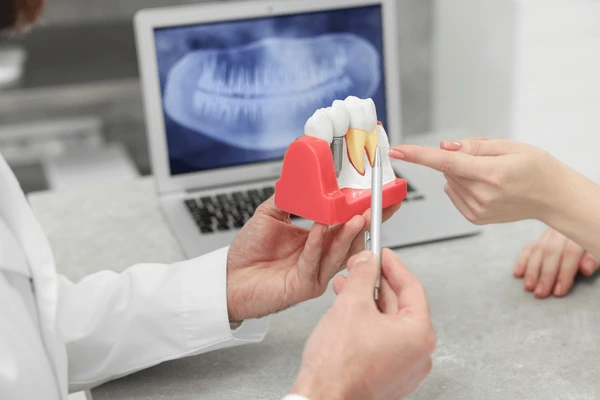

Does a missing tooth or set of teeth worry you, too?
Relax, you aren’t alone! Most Americans suffer tooth loss due to accidents, decay, or poor oral health.
However, this is where denture implants enter as an excellent tooth replacement option. Dental implants are your go-to tooth replacement option, with a high success rate of around 98%.
In this blog, we take a closer look at:
Dental implants are artificial structures used for tooth replacement. They mimic the appearance as well as the function of your natural tooth.
Over the years, most individuals have moved towards dental implants to make the most of their smiles and overall health.
But what makes a majority of individuals opt for dental implants? More importantly, what are your options?
Let’s find out as we learn more about dental implants in the following sections.
Dental implant is among the leading options for tooth replacement. This artificial tooth is surgically inserted into your jawbone to look and feel like natural teeth.
Most dental implants are made of safe and biocompatible materials like titanium or ceramic. These metals are friendly to the tissues inside your mouth and do not cause discomfort.
The way a dental implant works is pretty straightforward. The implant works as a metal screw that mimics the root of your tooth. This is followed by an abutment connecting the implant with the crown over the gum line.
The dental implantation procedure follows a few stages of surgery. The process generally begins with inspection and ends with healing. Here’s an overview of what goes behind the dental implant surgery:
The implantation teeth process begins after your damaged tooth is removed. In this stage, the dentist uses anesthesia to numb your jaw and extract teeth from the roots.
During the procedure to place the dental implant, your oral surgeon will create a slit in your gum to expose the bone. The dentist bores holes into the bone to accommodate the dental implant metal post. The dentist places the post deep into the bone since it will act as the root.
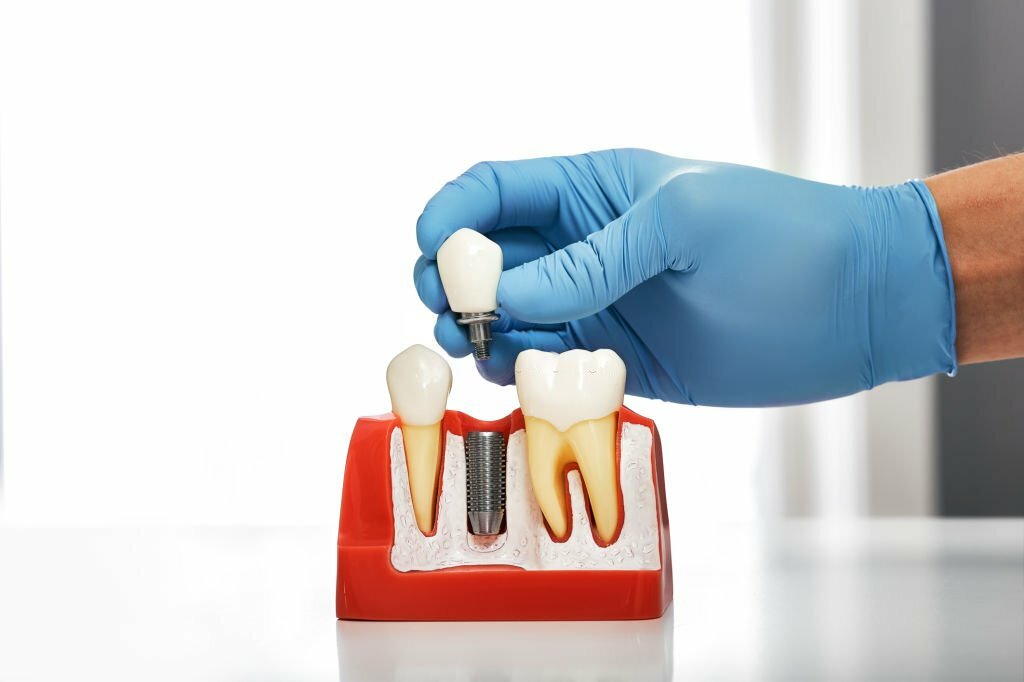
Osseointegration begins when the metal implant post is put in your jawbone. The jawbone develops onto and bonds with the dental implant during this stage. This process provides a stable foundation for your new artificial tooth, mimicking natural tooth roots.
When osseointegration is completed, the dentist may require further surgery to insert the abutment – the portion that will eventually hold the crown. Dentists often perform this minor surgery in an outpatient setting using local anesthetic.
To place the abutment:
Once the implants are in place, your dentist will place an artificial tooth or crown to give you the look and feel of a natural tooth.
Based on your oral health, your dentist will suggest any of these three dental implant types:
They are the most common implant teeth, shaped like a small screw, blade, or cylinder. The dentist places it inside your jawbone, and it holds one or more prosthetic or replacement teeth. Dentists usually recommend an endosteal implant if you already have bridges or dentures.
As the name suggests, these implants are placed on or above the jawbone. It has a metal post put under the gums and sticks through your gum to hold it in place.
Lastly, we have zygomatic implants, the least common type of dental implant suitable for people with no teeth. Your dentist will recommend zygomatic implants if you can’t wear regular dentures, don’t have enough jawbone to hold the endosteal or subperiosteal implants, or don’t want to do a bone augmentation procedure to build up the bone.
Before choosing the right options for tooth replacement, you need to have a working knowledge of the different types. There are different types of dental implants. We’ll be discussing more about them below.
If you need to replace one tooth, your dentist will place a single implant. This process requires one post and one crown for a single tooth.
The post is inserted into the jawbone by the oral surgeon. The procedure is painless, but it might take up to four months to complete. Your dentist will next join the crown and repair the structure of your tooth.
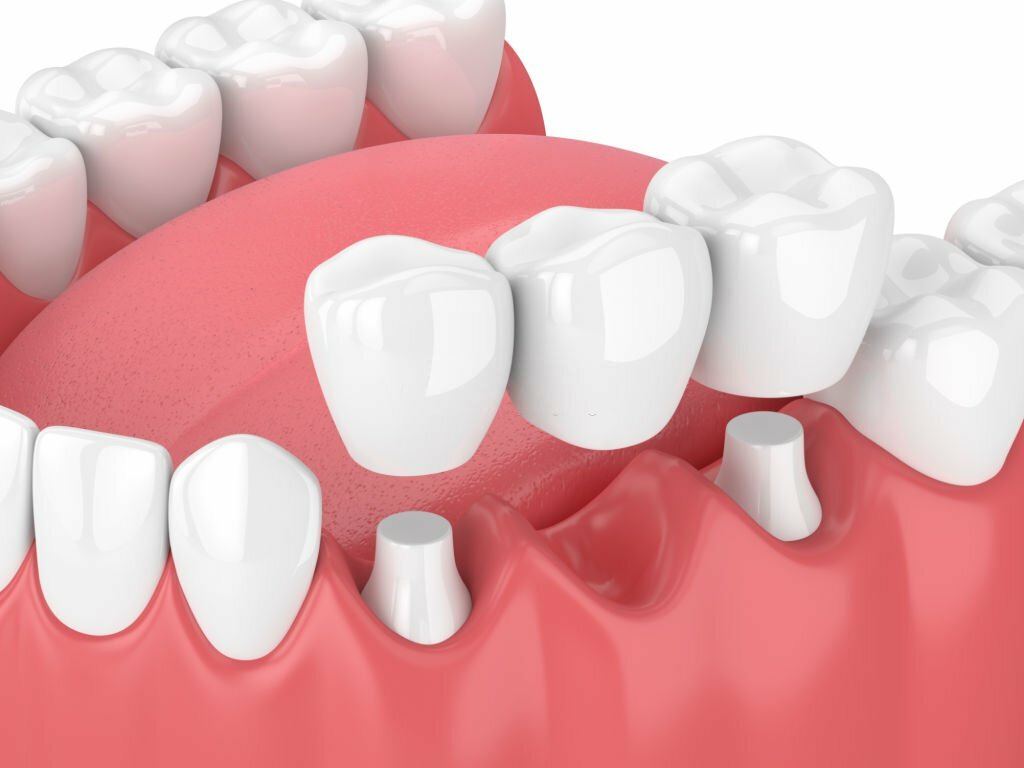
A complete tooth implant is a great option if you have a few missing teeth. A bridge with custom-made replacement teeth generally supports these implants.
Your dentist will do a full-mouth dental implant if you have no teeth left. With modern advancements, it is now possible for customized dentures to fit into the unique shape of your gums and jaws. These custom implantation teeth will fit precisely in your oral cavity.
The cost of dental implantation can vary widely based on several factors, including the location, the number of implants needed, the type of implant, the materials used, and the specific dental provider. Here are some general cost ranges to give you an idea:
Single Dental Implant: The cost for a single dental implant, including the implant post, abutment, and crown, can range from $1,000 to $3,000 or more. This cost can vary depending on location and the case’s complexity.
Full Mouth Implants: The cost can significantly increase if you require multiple implants to replace several missing teeth or an entire arch of teeth. Full mouth implant procedures can range from $20,000 to $45,000.
Implant Material: The type of material used for the implant post can impact the cost. For instance, a titanium-based implant will be costlier than an average appliance.
Location: The cost of dental care, including implants, can vary significantly by geographic location. Larger cities and areas with a higher cost of living often have higher prices for dental implantation.