Do you feel losing a tooth isn’t a big deal? Well, think again.
Losing even one tooth can cause severe effects on your oral health. Preserving natural pearly whites is optimal for oral health as it impacts your ability to speak, chew, and smile openly.
Sadly, however, accidents are unpredictable. Growing up, you might lose a tooth or two to accidents, poor oral health, or medication. But dental implants by established Dental Summerville SC specialists can help you by replacing the lost tooth with a natural-looking alternative that restores your oral aesthetics.
Despite the popularity of oral fixtures, several patients are still reluctant to get dental implants. Keeping the same in mind, this blog explores topics to educate you about different aspects of fixtures, namely:
Continue reading as we explore everything about dental implants in the following sections.
Tooth loss is a major oral problem that most people face. Around 156+ million Americans have at least one missing tooth, leading them to choose implants to restore their oral functions and aesthetic smile.
You may lose teeth for several reasons, including tooth decay, cavities, gum diseases, injuries, oral trauma, and certain medications. A missing tooth can cause other problems, including speech impediments and chewing difficulties.
Missing teeth can lead to loss of bone density, weakened structural integrity, and disrupted oral functionality. Connecting with a professional for dental implants in Summerville is an excellent remedy to make up for tooth loss or decay.
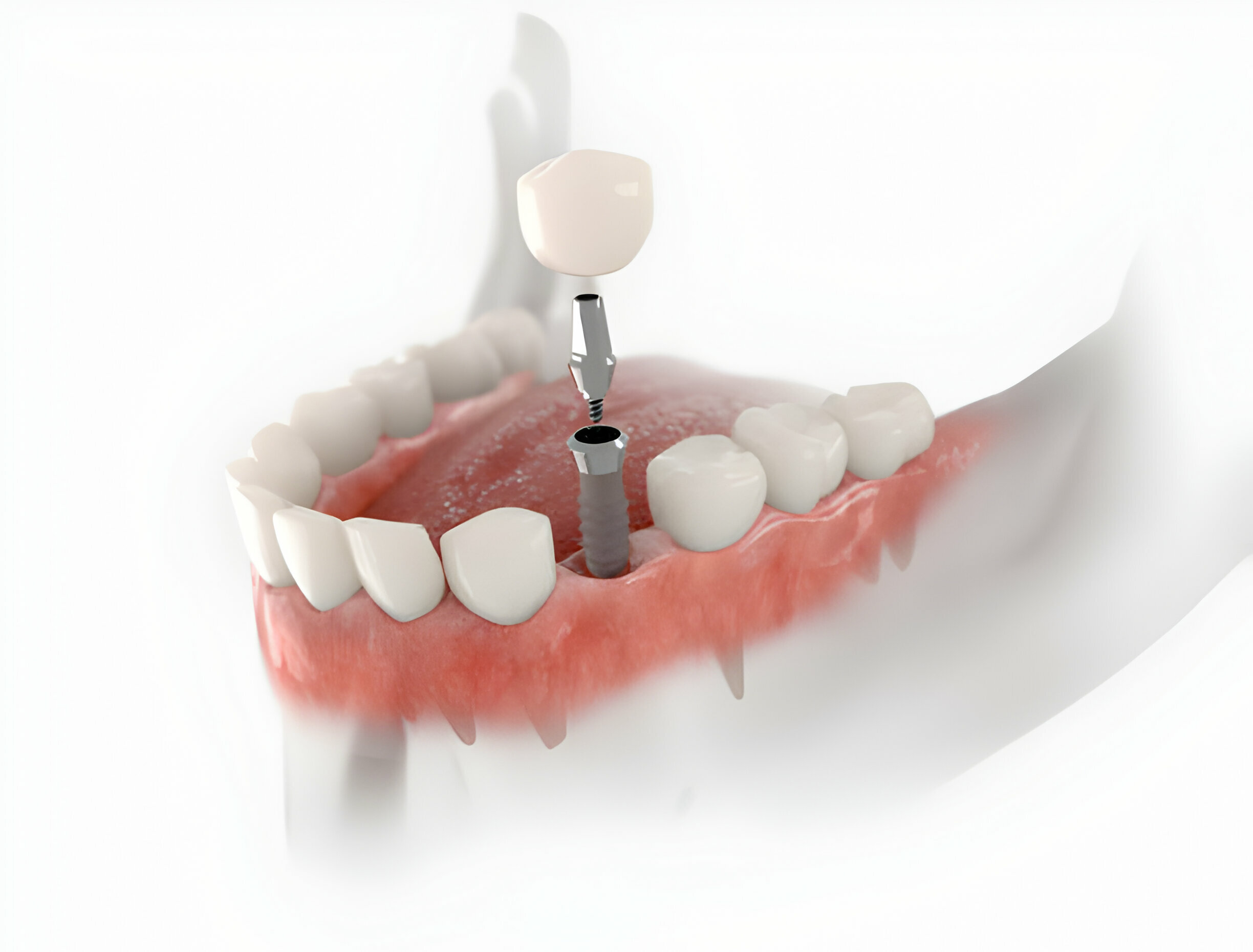
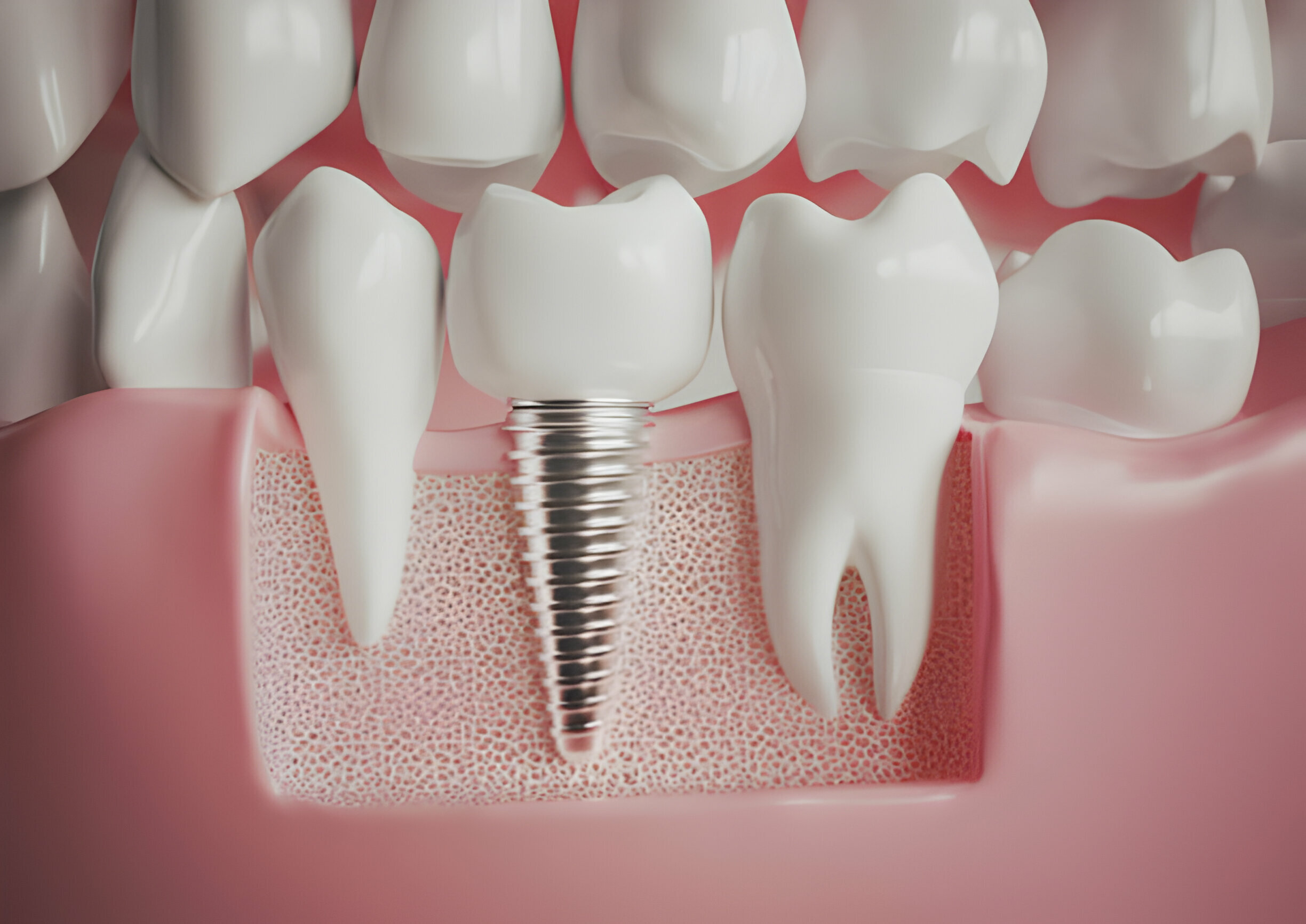
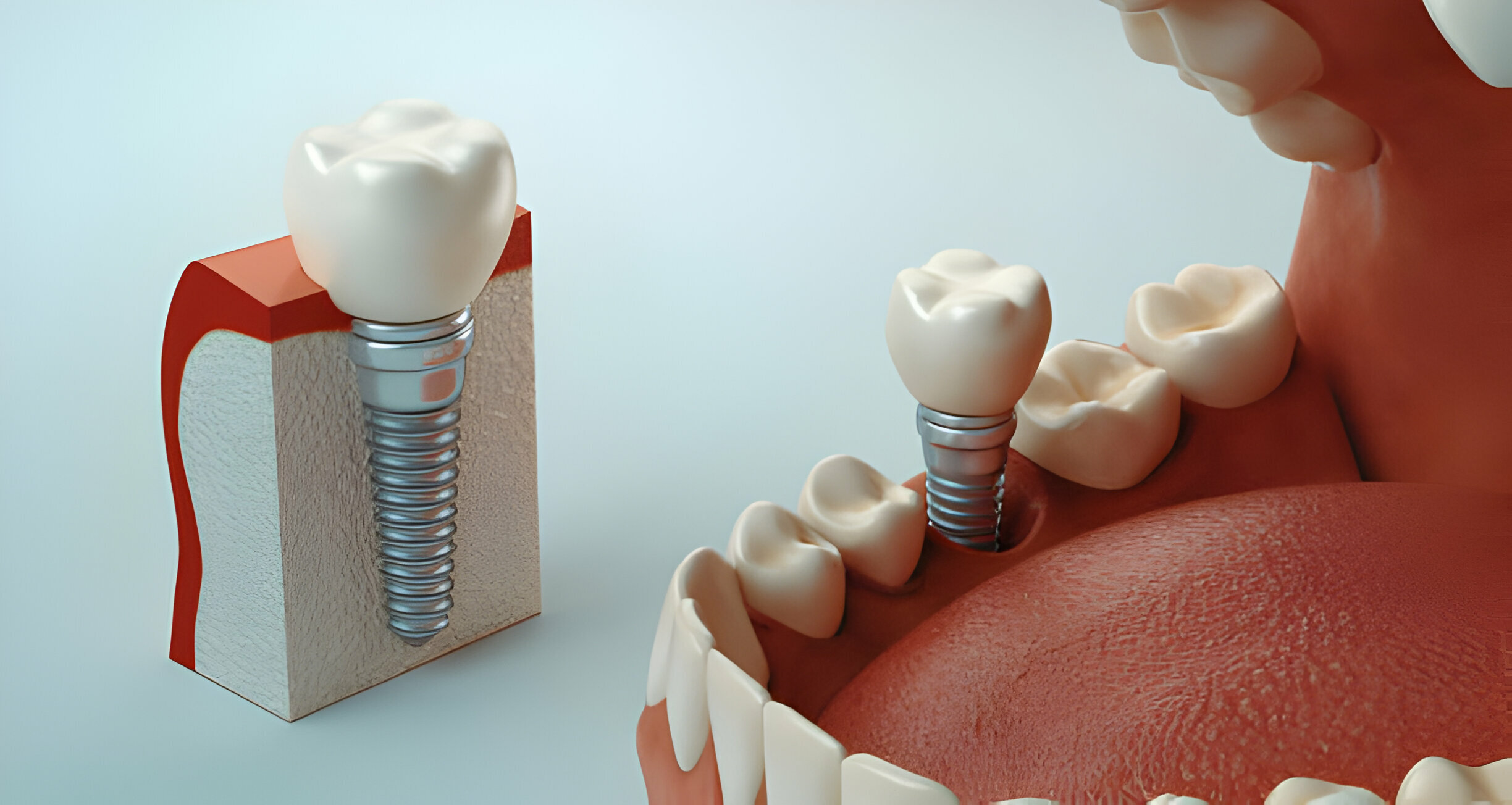
These implants consist of titanium posts surgically implanted into the jawbone, serving as robust anchors for replacement teeth. The necessity for implants varies among individuals, often stemming from the desire to regain proper chewing function, improve speech, and enhance oral health.
Dental implants have become a popular choice for individuals seeking to restore their smile and oral health due to several key benefits:
Dental implants closely resemble natural teeth, offering a seamless and aesthetically pleasing smile. They are custom-designed to match the surrounding teeth, ensuring a natural look.
Unlike traditional dentures or bridges, implants in dentistry provide stability and comfort while eating, speaking, and biting, enhancing overall functionality and confidence.
With proper care, fixtures can last a lifetime, making them a durable and cost-effective option for tooth replacement. It reduces the need for frequent adjustments or replacements.
Dental implants do not require altering neighboring teeth, promoting better oral hygiene and health. They function like natural teeth, simplifying daily care routines.
Dental implants integrate with the jawbone, preventing bone loss and maintaining facial structure. This helps preserve oral health and prevents future complications.
Oral fixtures can be one of the best solutions for replacing a missing tooth and restoring oral functions and aesthetic smiles. The process of getting implantation of teeth involves extensive procedures, namely:
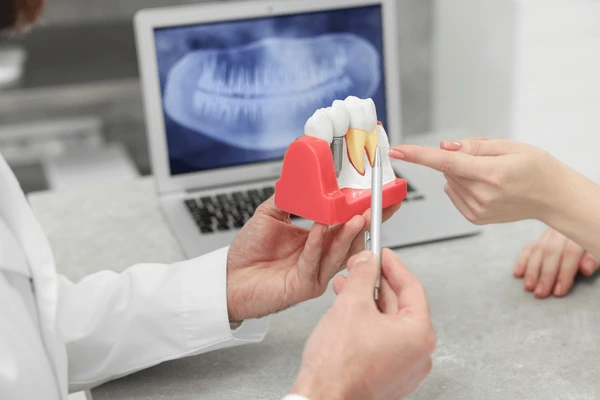
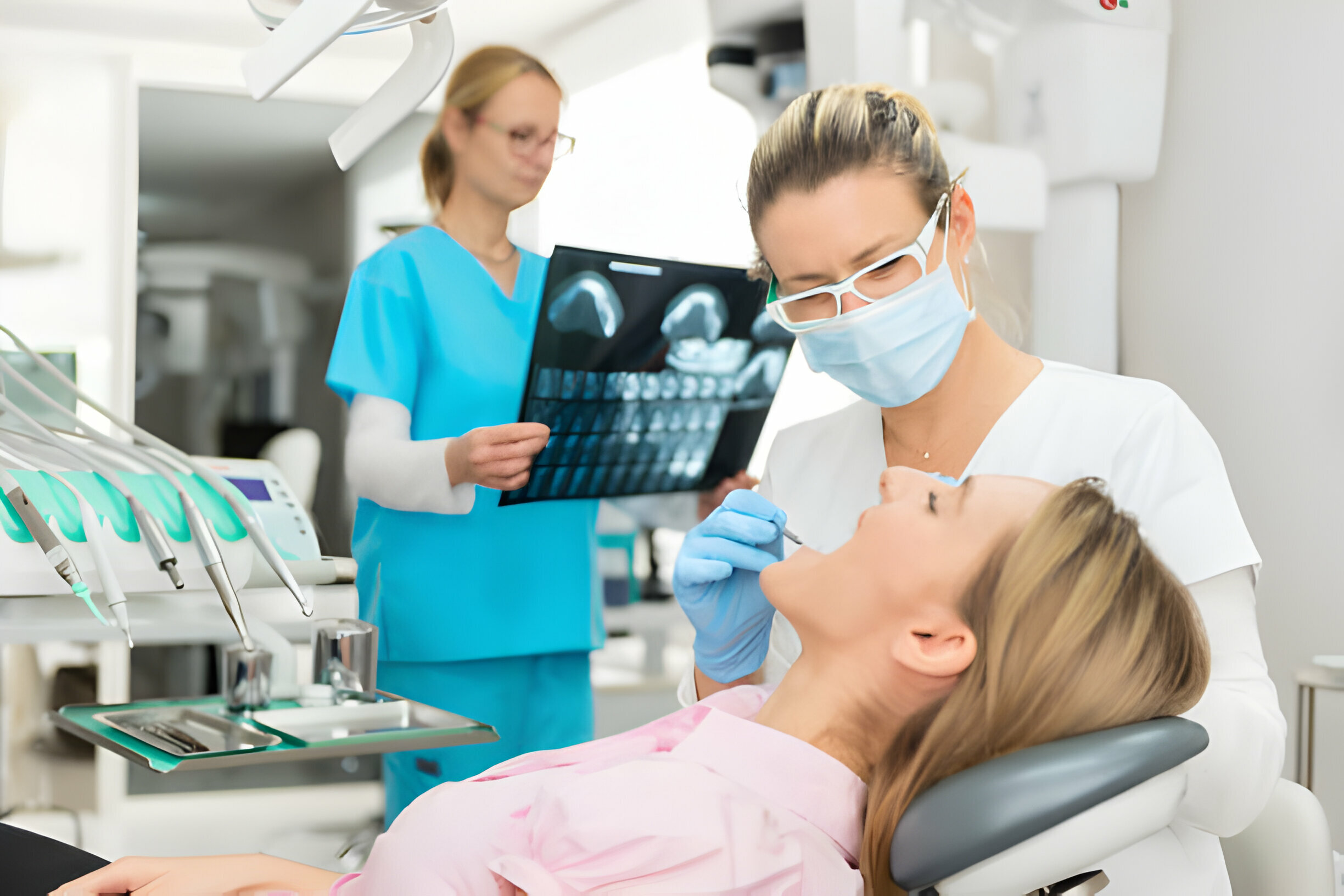
Your implant procedure journey begins with an in-depth assessment of your oral health. It involves examining bone density, gum condition, and implant suitability. Your dentist might also consider taking X-rays or CT scans to accurately assess the jawbone’s condition.
After the assessment, dentists develop a personalized treatment plan addressing your needs. This plan includes determining the number of implants required, the most suitable type of implant, and any preparatory procedures, such as bone grafting or sinus lifts, if necessary.
The next step involves surgically placing the fixtures into the jawbone. Your dentist uses local anesthesia to minimize discomfort while placing the teeth implants. They strategically position the appliance to provide optimal support for the replacement teeth.
After implant placement, you must go through a critical healing process called osseointegration. During this period, the false teeth gradually fuse with the surrounding bone tissue, ensuring a stable foundation for the prosthetic teeth.
Once osseointegration is complete, dentists attach abutments to the implants. These act as connectors between the implants and the prosthetic teeth. Custom-made dental crowns, bridges, or dentures are fabricated and securely attached to the abutments.
The prosthetic teeth are placed onto the abutments in the final step of the tooth implantation process. Your dentist ensures proper fit, function, and aesthetics and makes any necessary adjustments to achieve the desired outcome.
Oral fixtures are a valuable investment for the betterment of your health in the long run. Proper care is essential to ensure their longevity and success. Here are some tips to help you maintain your dental fixtures:
Use fluoride toothpaste and a soft-bristled toothbrush to clean your teeth at least twice daily. Floss daily to remove dirt and plaque around your implants.
Schedule regular visits to your dentist for check-ups and professional cleanings. Your dentist will monitor the health of your false teeth and address any issues early on.
Avoid hard or sticky foods that can put excessive pressure on your fixtures. Choose a balanced diet of fruits, vegetables, and lean proteins to support oral health.
Refrain from habits like smoking and chewing on complex objects, as they can compromise the integrity of your appliance and increase the risk of complications.
If you participate in sports or activities that pose a risk of oral trauma, wear a mouthguard to protect your appliance and natural teeth.
Dental implants offer a promising solution for those missing teeth, yet like any surgical procedure, they carry inherent risks. Here’s an overview of the risks involved:
Any surgical procedure bears the risk of infection. While uncommon, infections around the implant site can occur during or after surgery. Maintaining good oral hygiene and adhering to post-operative care instructions can help reduce this risk.
During implant placement, there’s a considerable risk of damaging the nerves around, leading to sensations of numbness, tingling, or pain in the mouth, lips, or chin. Thorough evaluation and meticulous planning by the surgeon can help minimize this risk.
In rare cases, fixtures may cause bone loss around the implant site, termed as peri-implantitis. Like gum disease, this condition can jeopardize implant stability and require additional treatment or removal.