Are you planning to go for dental cleanings, but the misconceptions are stopping you from doing so?
Don’t worry; you are not the only one.
Regular and proper oral hygiene plays a crucial role in maintaining optimal oral health. Sadly, it’s not enough to keep your dental problems at bay.
Most people visiting dental clinics report having healthy oral habits, yet they have hidden and underlying issues. However, this is where professional teeth cleaning enters the picture.
Professional cleaning comprises different treatment methodologies by established dentistry in Summerville, SC. It comprises a step-by-step procedure to help you deep clean your teeth and identify hidden issues that may cause problems in the future.
However, since most people have little to no idea of the treatment, they believe in baseless myths. Keeping this in mind, we have curated this article, where we shall be discussing topics like:
Continue reading as we bust some common myths about oral cleanings in the following sections.
It’s a known fact that regular brushing and flossing are imperative for good oral health.
Sadly, no matter how thoroughly we brush or maintain effective care, food particles get left out in difficult-to-reach areas inside our mouth. Over time, they accumulate bacteria, plaque, and tartar. When left untreated, the accumulation results in gum diseases, ultimately affecting the strength of your teeth.
Therefore, you must visit clinics every six months to cleanse your teeth thoroughly.
Dental cleanings, or prophylaxis or scaling and polishing, are professional treatments performed by teeth cleaning professionals. These processes are designed to remove buildup plaque, tartar, and stains from your teeth.
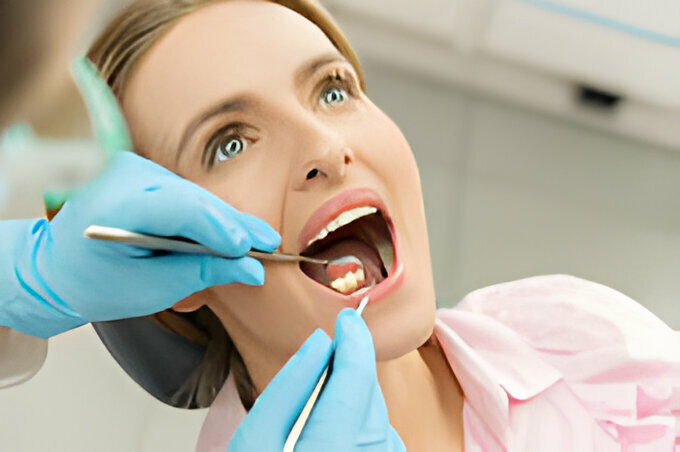
During a professional cleaning, dentists use specialized instruments to remove plaque and tartar from your oral surface. Once done, they polish your teeth to remove stains and create smooth and polished teeth to prevent future plaque accumulation.
Once done, effective cleaning by the best dentist in Summerville, SC, results in well-maintained oral health. It further prevents gum diseases and reduces the risk of tooth decay.
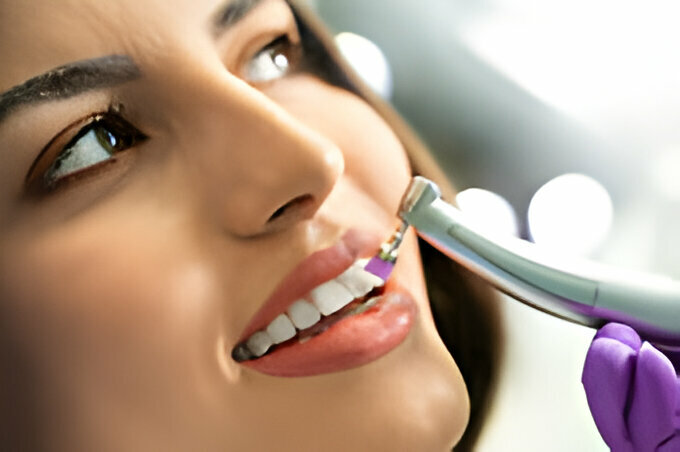
Maintaining good oral hygiene is crucial for overall health; regular cleanings are a cornerstone of that regimen. However, misinformation about cleansing abounds, leading to confusion and neglect of this essential aspect of oral care.
Let’s debunk some of the most common myths surrounding oral cleaning:
Some people believe dental cleanings in Summerville, SC, are unnecessary if they regularly brush and floss.
While at-home oral care is essential, it cannot entirely remove plaque and tartar buildup, especially in hard-to-reach areas. Professional cleaning is vital for thoroughly removing these deposits to prevent gum disease, among other oral health issues.
One of the most prevalent misconceptions is that dental cleanings are painful.
Most cleaning procedures are effortless. While in some rare cases, individuals may experience discomfort or sensitivity during the procedure, advancements in dental technology have made the process much more comfortable. Professionals are trained to minimize discomfort and may offer options such as numbing agents or sedation for anxious patients.
Dental cleansing is necessary for individuals with existing oral problems.
In reality, everyone, regardless of the state of their oral health, can benefit from regular cleanings. Even with meticulous brushing and flossing, plaque and tartar accumulate over time, leading to gum inflammation and decay. Routine cleanings help prevent these issues and maintain overall oral health.
The costs included in dental cleanings generally shoot up the medical bill, making it an expensive treatment.
Preventive care, such as routine cleanings, is typically more affordable than treating advanced dental problems. Many insurance plans cover all or part of the cost of cleansing, making them accessible to a wide range of individuals.
Their time-consuming nature is why many people avoid dental cleanings.
While appointments may vary in length depending on individual needs and the extent of cleaning required, they typically last between 30 minutes to an hour. Considering the numerous benefits of dental cleanings, including reduced risk of cavities, gum disease, and costly procedures, the time invested is well worth it.
Dental cleanings are fundamental to good oral health, often called prophylaxis or scaling and polishing. Beyond just providing a sparkling smile, these routine cleaning offer myriad benefits that contribute to overall well-being.
Let’s delve into the significance of regular cleanings:
Plaque, a sticky film of bacteria, constantly forms on teeth. If not removed, it can harden into tartar, contributing to tooth decay and cavities. Regular cleanings remove plaque and tartar, safeguarding teeth from decay and the need for extensive dental work.
Plaque buildup affects teeth and irritates the gums, leading to gingivitis and, if left untreated, periodontitis. These conditions can result in gum recession, bone loss, and even tooth loss. Professional cleanings effectively remove plaque and tartar from gum-line areas, preventing the onset and progression of gum disease.
Alongside preventing gum disease, cleanings promote healthier gums by reducing inflammation and minimizing bleeding during brushing and flossing. Healthy gums support teeth and maintain their stability over time.
Despite regular brushing and flossing, certain mouth areas can be difficult to clean thoroughly. Dental professionals use specialized instruments during cleansing to access these hard-to-reach spots, ensuring a comprehensive removal of plaque and tartar for optimal oral hygiene.
During a cleaning, the dentist or hygienist thoroughly examines the entire oral cavity. This includes checking for signs of cavities, gum disease, oral cancer, and other oral health issues. Early detection allows for timely intervention and treatment, preventing potential complications.
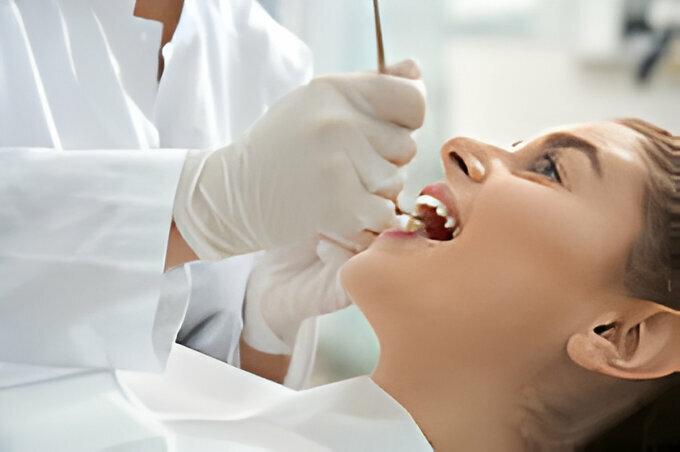
Research suggests that oral health is the window to your overall health. Poor oral hygiene can contribute to various medical conditions, including cardiovascular disease, diabetes, respiratory infections, and adverse pregnancy outcomes. By maintaining good oral health through regular cleanings, individuals can reduce their risk of developing these systemic conditions.